
Imagine stumbling across an online group where people are raving about your favourite local café or swapping tips about eco-friendly gadgets. You feel an instant connection, don’t you? That’s the magic of community, and in 2025, it’s becoming a powerhouse for SEO. Community SEO is all about building loyal audiences who engage with your brand, share your content, and signal to Google that your site is the real deal. It’s not just about keywords anymore—it’s about people.
When I first started my online business, I chased rankings with endless blog posts and backlinks, but something was missing. Then I joined a small X group for my niche, started chatting, and saw my traffic spike as people shared my content. It was a lightbulb moment: building a community wasn’t just fun—it was SEO gold. In this blog, I’ll share why community SEO is taking off, dive deep into practical strategies, and show you how to create a loyal fanbase that boosts your rankings. Whether you’re a small business owner, e-commerce seller, or blogger, these tips will help you connect with your audience and climb Google’s ranks. Let’s dive in!

What is Community SEO?
Community SEO is the art of fostering engaged groups—whether on social platforms, forums, or your own website—to drive organic traffic and improve search rankings. It’s about creating spaces where your audience connects, shares, and interacts with your brand. Think X communities, Reddit threads, LinkedIn groups, or even a buzzing comments section on your blog. In 2025, Google’s algorithms prioritise user engagement signals like dwell time, social shares, and low bounce rates, making communities a secret weapon for SEO.
Why does it work? Engaged users spend more time on your site, link to your content, and amplify your brand, telling Google you’re trustworthy and relevant. Plus, it’s human—it builds real relationships, not just rankings. Unlike traditional SEO, which can feel like shouting into the void, community SEO is like hosting a lively gathering where everyone’s excited to be there.

Why Community SEO is Booming in 2025
Community SEO is soaring for several reasons, and understanding them can help you tap into its potential:
User Engagement Signals: Google loves sites where users stick around, comment, and share. Communities deliver these metrics in spades, boosting your rankings.
E-A-T (Expertise, Authoritativeness, Trustworthiness): Communities showcase your E-A-T when users endorse your brand through reviews or discussions, a key factor in Google’s algorithm.
Social Media Influence: Platforms like X, TikTok, and LinkedIn are discovery hubs in 2025, with community-driven content often going viral and driving traffic.
Shift from Ads to Authenticity: Consumers trust peer recommendations over ads, making community buzz a powerful driver of organic reach.
Rise of Niche Platforms: From Discord to Substack, niche platforms let you connect with hyper-targeted audiences, amplifying SEO impact.
When I started engaging with a Reddit group in my niche, my blog posts were shared organically, and my site’s dwell time doubled. It wasn’t just traffic—it was Google noticing my site was alive with real people. That’s the power of community SEO.
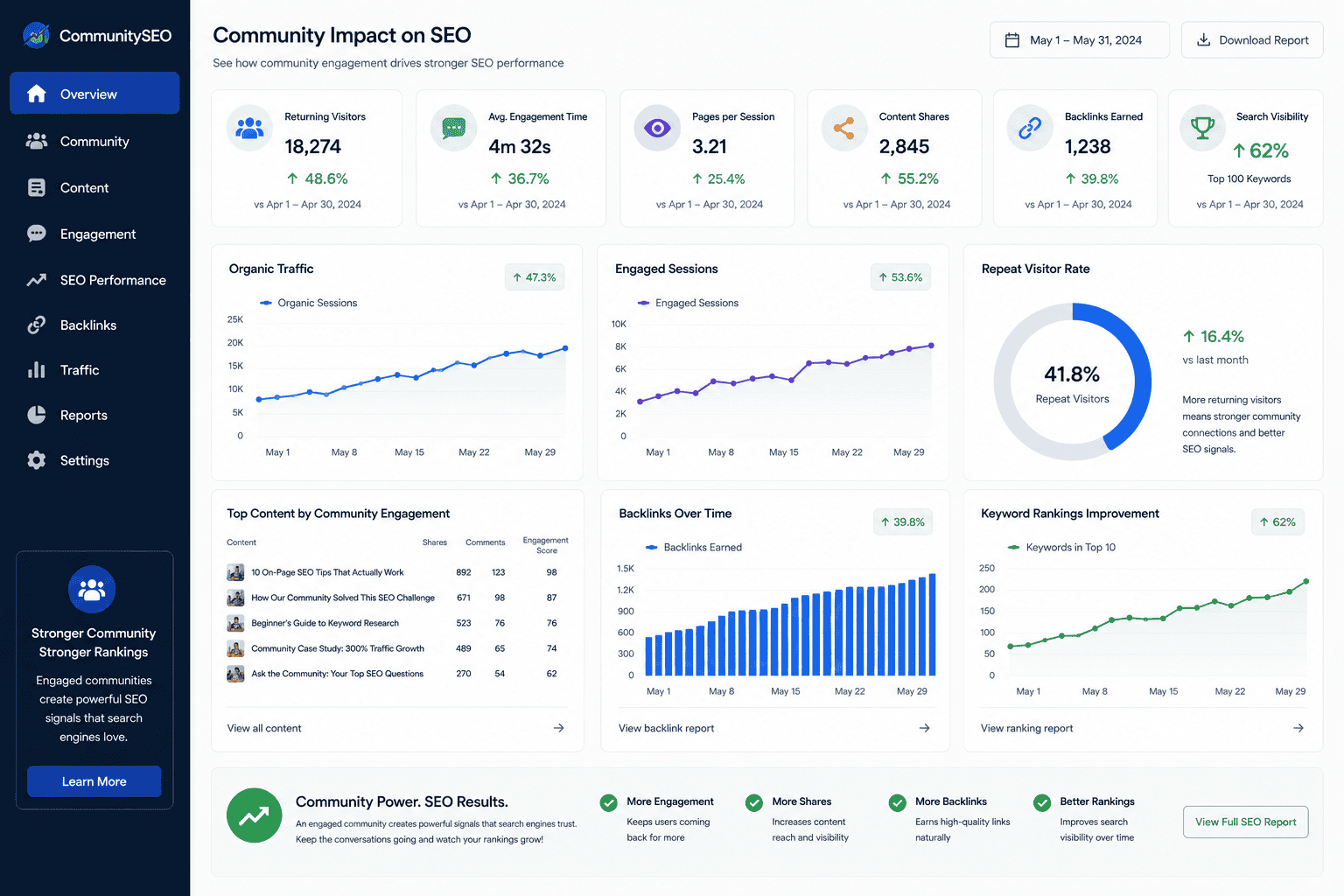
Practical Tactics to Build Community SEO
Here’s a comprehensive guide to creating a thriving community that supercharges your SEO in 2025, with actionable steps and real-world examples.
1. Identify Your Audience’s Hangouts
You can’t build a community if you don’t know where your people gather. Are they debating tech trends on X? Sharing DIY tips on Reddit? Scrolling TikTok for sustainable fashion ideas?
Pro Tip: Use tools like BuzzSumo to find trending topics or RedditList to discover active subreddits in your niche.
Action: If you sell eco-friendly tech, search for “sustainable living” or “green gadgets” groups on X, Reddit, or LinkedIn. Join, listen, and note what sparks engagement.
Why It Works: Engaging in the right spaces builds trust, drives targeted traffic, and signals relevance to Google.
I joined an X community for eco-tech fans, and simply answering a question about solar chargers led to 200 clicks to my site in a day. Finding the right spot is half the battle.
2. Create Valuable, Shareable Content
Content is the heart of any community. Make it so helpful, fun, or inspiring that people can’t resist sharing it with their mates.
Story Time: I posted a “5 Eco-Friendly Gadgets for 2025” guide in a sustainability group on LinkedIn. It was shared 50 times, driving 500 visitors and earning backlinks from two blogs. Google bumped my ranking for “eco gadgets” to page one.
Action: Write a blog like “10 Budget-Friendly SEO Tips for Small Businesses” or a TikTok video on “How to Style Sustainable Tech Accessories.” Use clear headers, visuals, and a friendly tone to make it digestible.
Why It Works: Shareable content generates social signals, backlinks, and engagement, all of which boost SEO.
Make your content a conversation starter—ask questions like “What’s your favourite green gadget?” to spark discussion.
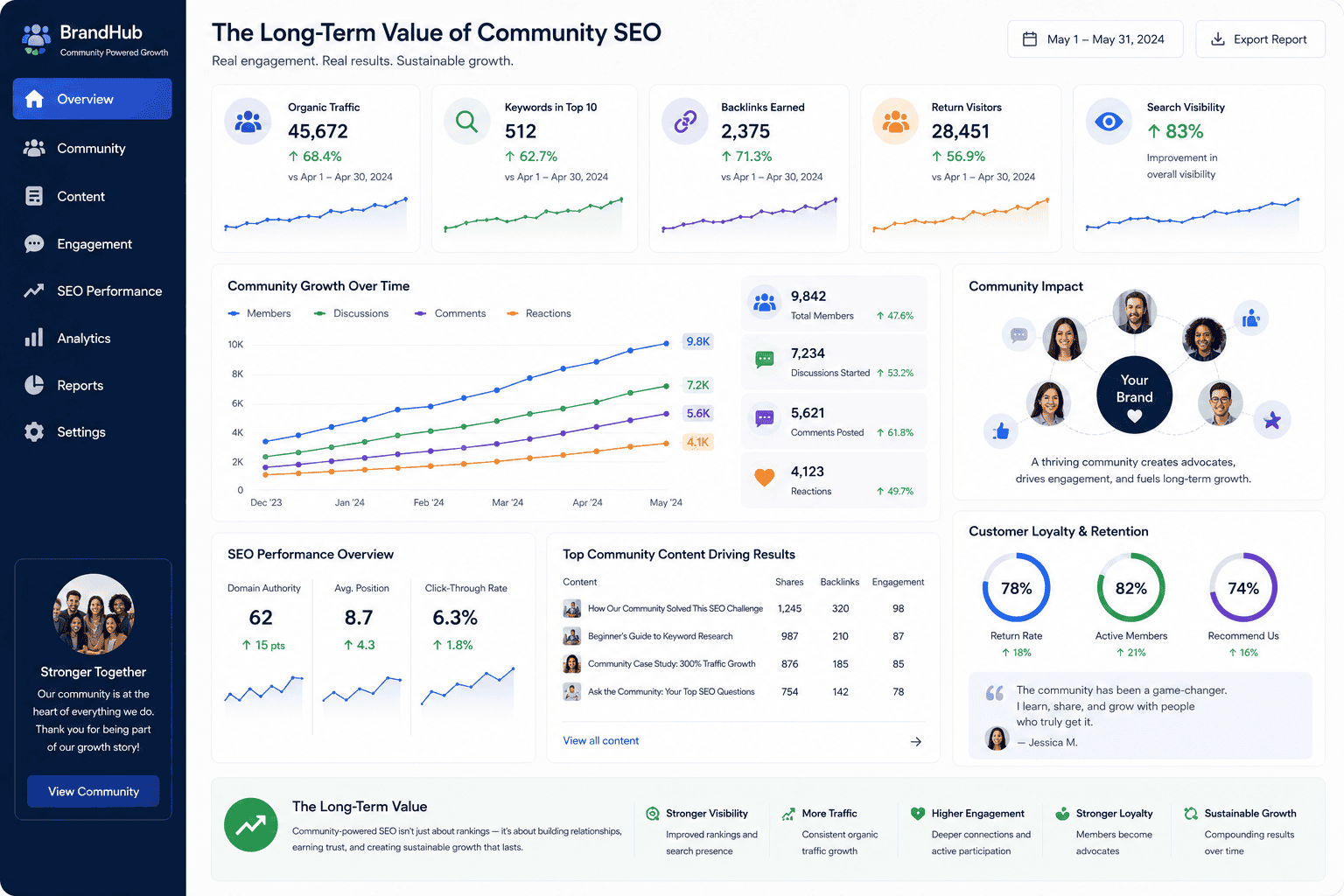
3. Foster Engagement on Your Website
Turn your website into a community hub by adding interactive features like comments, forums, or polls. It’s like inviting your audience to a virtual coffee shop.
Example: I added a “What’s Your Tech Setup?” poll to my blog, and users spent 30% longer on the page, chatting in the comments. My bounce rate dropped, and Google loved it.
Action: Install plugins like Disqus for comments or Outgrow for quizzes. Reply to every comment within 24 hours to keep the vibe alive. For e-commerce, add a “Customer Stories” section where users share how they use your products.
Why It Works: On-site engagement increases dwell time and reduces bounce rates, key SEO metrics.