
Ever stumbled across aYouTube video that answered your exact question, like “how to fix a leaky tap” or “best vegan recipes for beginners”? You clicked, watched, and maybe even subscribed because it was so spot-on. That’s the power of video SEO done right. In 2025, video content is king, with users spending over 100 minutes a day watching videos online, and Google’s increasingly prioritising video in search results. If you want your videos to shine on Google—and bring in new customers—you need to master video SEO.
I’ve been tinkering with SEO for years, and I’ll let you in on a secret: videos were a game-changer for my first website. A simple “how-to” clip sent my traffic soaring, but only after I cracked the code on optimisation. In this blog, I’ll walk you through practical, no-nonsense tactics to rank your videos on Google in 2025. Whether you’re a small business, a blogger, or an e-commerce pro, these tips will help you get your videos seen, loved, and ranked. Let’s dive in!
Why Video SEO Matters in 2025
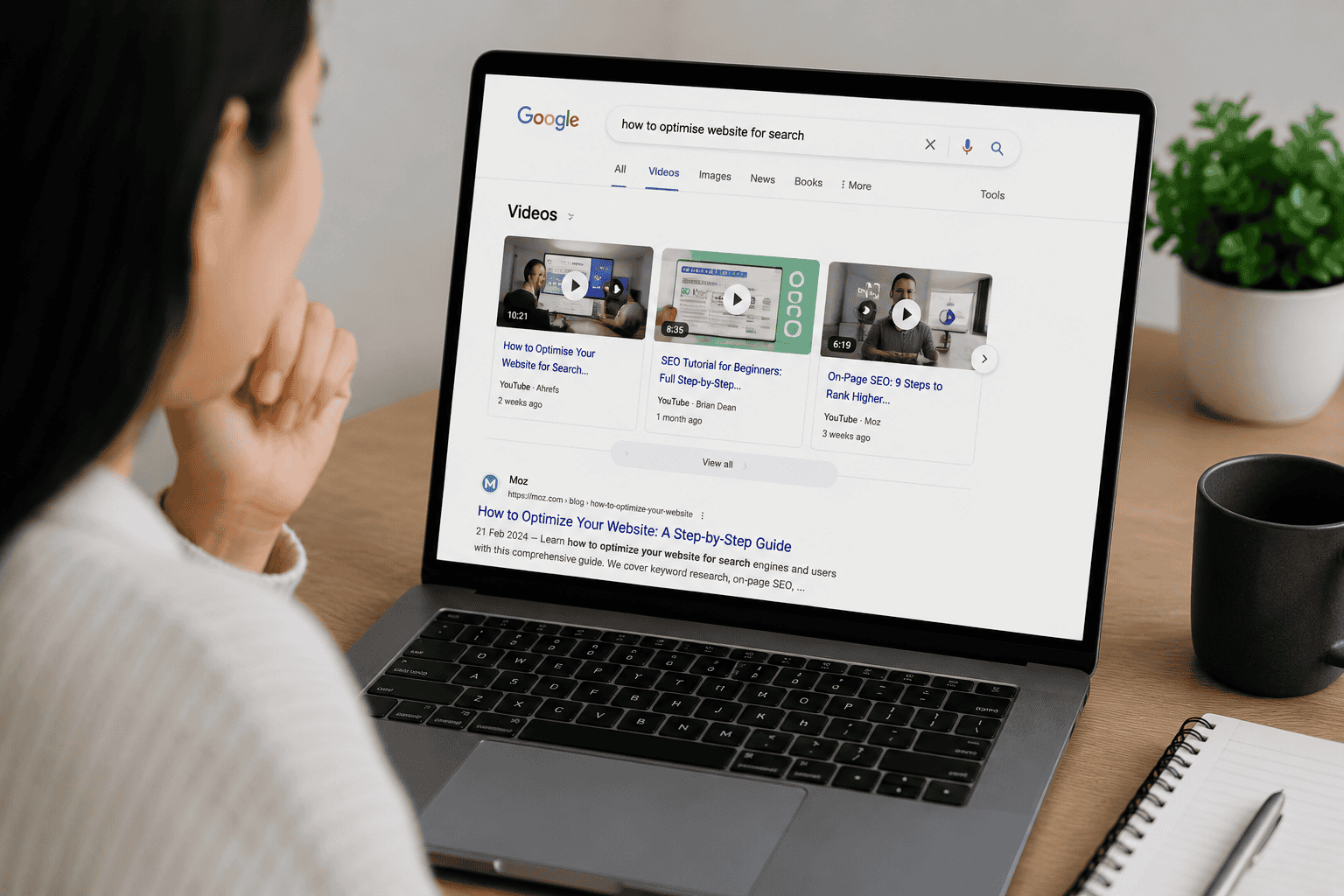
Google’s search results are evolving. Videos now appear in featured snippets, carousel results, and even standard listings, especially for “how-to” and informational queries. Why? Because users love videos—they’re engaging, quick, and often easier to digest than text. In fact, studies show that video can boost click-through rates by up to 30% and increase dwell time, both of which Google uses to gauge a site’s quality.
But it’s not just about Google. Videos build trust and connection with your audience. When I added a short explainer video to my site, I noticed visitors stayed longer and were more likely to reach out. For businesses like yours, video SEO can drive traffic, showcase expertise, and turn viewers into customers. Let’s explore how to make your videos Google’s new best friend.
Practical Video SEO Tactics for 2025
Here’s a step-by-step guide to optimising your videos for Google rankings. These tactics are practical, tailored for 2025, and designed to make your content stand out.
1. Nail Your Keyword Research
Just like traditional SEO, video SEO starts with keywords. But here’s the twist: video keywords often lean towards “how-to,” “tutorial,” or question-based queries. Think “how to bake sourdough” or “what is the best fitness tracker in 2025.”
- Pro Tip: Use tools like Google Trends or SEMrush to find trending video keywords. Look for long-tail phrases with high search volume but low competition.
- Action: Create a list of 5–10 keywords relevant to your niche. For a pet store, try “how to train a puppy to sit” or “best dog toys for 2025.”
- Why It Works: Targeting specific, user-focused keywords aligns with Google’s intent-driven algorithms, boosting your chances of ranking.
2. Craft Attention-Grabbing Titles
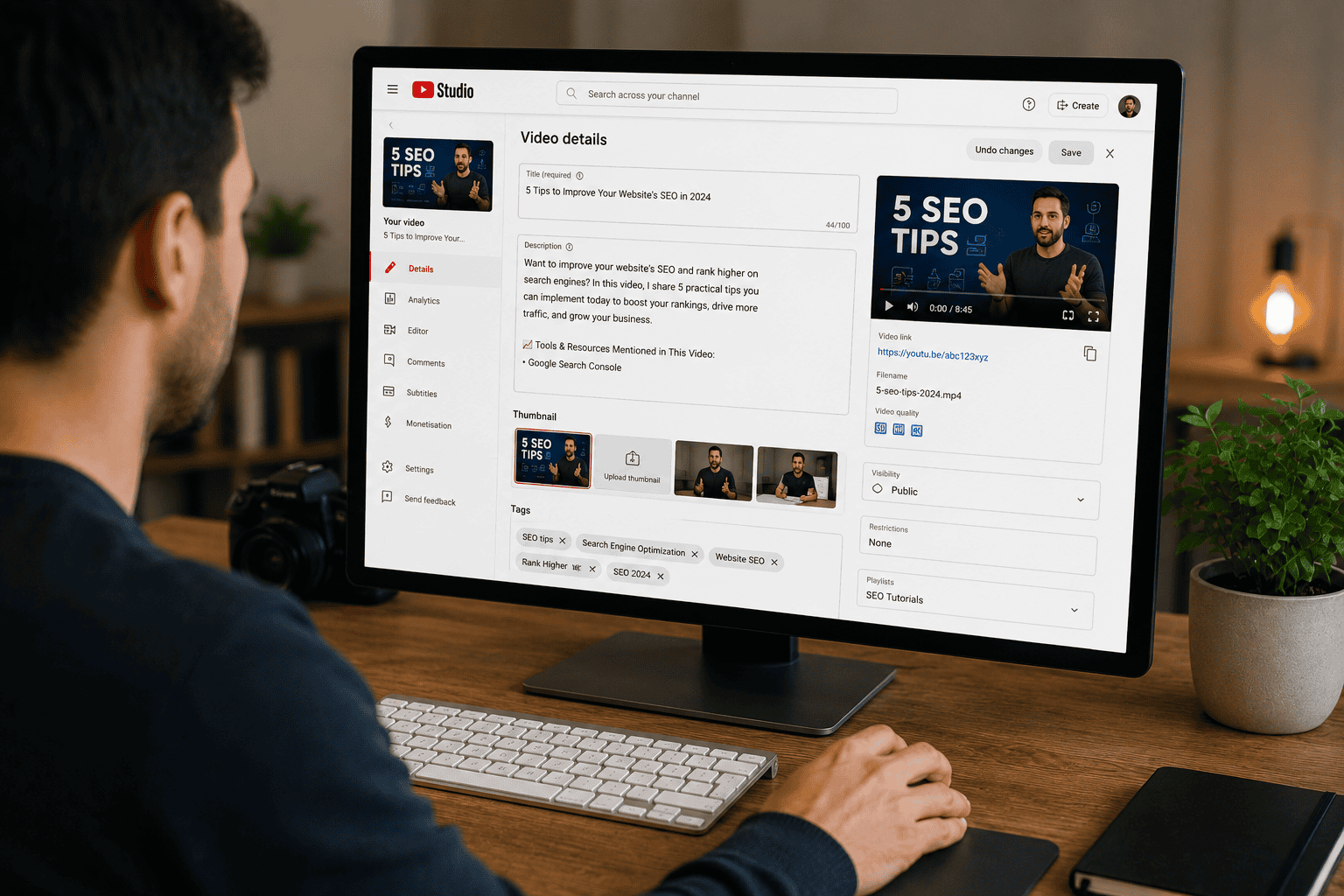
Your video title is your first impression. It needs to be catchy, keyword-rich, and under 60 characters to avoid getting cut off in search results.
- Example: Instead of “Dog Training Tips,” go for “How to Train Your Dog to Sit in 5 Minutes.”
- Story Time: I once uploaded a video called “SEO Basics.” It flopped. When I changed it to “Master SEO in 10 Minutes: Easy Tips for 2025,” clicks skyrocketed.
- Action: Include your primary keyword and a hook (e.g., “easy,” “fast,” “2025”) in the title. Test variations to see what resonates.
- Why It Works: Compelling titles improve click-through rates, a key ranking signal for Google.
3. Write Detailed Video Descriptions
Google can’t watch your video, but it can read your description. A well-crafted description (250–500 words) provides context, keywords, and value to viewers.
- Pro Tip: Start with a brief summary of the video, include your main keyword early, and add timestamps for key sections to make it skimmable.
- Action: Write a description like this for a cooking video: “Learn how to make a vegan curry in under 30 minutes! This easy recipe uses simple ingredients… [include recipe steps, timestamps, and a call-to-action like ‘Visit our blog for more recipes!’].”
- Why It Works: Detailed descriptions help Google understand your video’s content and improve discoverability.
4. Add Transcripts and Captions
Transcripts and closed captions make your videos accessible and give Google more text to crawl. They’re also a goldmine for ranking in voice search, which is booming in 2025.
- Example: For a fitness video, include a transcript with phrases like “best exercises for core strength” to capture related queries.
- Action: Use YouTube’s auto-caption feature or tools like Rev.com to create accurate transcripts. Embed them on your site if you host the video there.
- Why It Works: Transcripts boost SEO by adding keyword-rich content and improve user experience for accessibility.
5. Optimise Thumbnails for Clicks
A killer thumbnail can make or break your video’s click-through rate. Bright, clear images with bold text or expressive faces work best.
- Story Time: My first video had a blurry thumbnail of me talking. No one clicked. Switching to a vibrant image with “SEO Tips!” in bold doubled my views.
- Action: Use tools like Canva to create custom thumbnails. Include text overlays (e.g., “Top 5 Tips”) and ensure they’re 1280×720 pixels.
- Why It Works: Eye-catching thumbnails boost clicks, signaling to Google that your video is engaging.
6. Host Videos Strategically
Where you host your video matters. YouTube is great for reach, as it’s the second-largest search engine, but embedding videos on your site keeps users on your domain, boosting dwell time.
- Pro Tip: Upload to YouTube for visibility, then embed the video on a blog post with supporting text to drive traffic to your site.
- Action: Create a blog post like “How to Choose the Best Camera in 2025” and embed your video with a transcript and internal links to related content.
- Why It Works: Embedding videos on your site increases engagement metrics, while YouTube amplifies discoverability.
7. Leverage Video Schema Markup
Schema markup is like a neon sign for Google, telling it exactly what your video is about. Adding video schema to your site’s HTML can help your video appear in rich snippets or video carousels.
- Example: Use JSON-LD to add schema with details like video title, description, and duration.
- Action: Use Google’s Structured Data Markup Helper to generate video schema, then test it with the Rich Results Test.
- Why It Works: Schema boosts visibility in search results, increasing click-through rates.
8. Promote Videos on Social Media
Sharing your video on platforms like X, LinkedIn, or Instagram drives initial views and engagement, which can signal quality to Google.
- Example: Post a teaser clip on X with a caption like “Struggling with SEO? Watch our 5-minute guide to rank higher in 2025! #SEO.”
- Action: Share your video across social channels and encourage likes, comments, and shares. Pin it to your X profile for visibility.
- Why It Works: Social engagement can amplify your video’s reach and indirectly boost SEO by driving traffic.
9. Encourage Viewer Interaction
Likes, comments, and shares are gold for video SEO. Engaged viewers tell Google your content’s worth ranking.
- Pro Tip: End your video with a call-to-action, like “Comment below with your top SEO tip!” or “Subscribe for weekly tips.”
- Action: Add an end screen with clickable links to related videos or your website. Respond to comments to keep the conversation going.
- Why It Works: Viewer interactions boost engagement metrics, a key ranking factor.
10. Monitor and Analyse Performance
You can’t improve what you don’t measure. Use YouTube Analytics or Google Analytics to track metrics like watch time, retention rate, and traffic sources.
- Story Time: I once noticed a video had high views but low retention. By trimming fluff and adding timestamps, I kept viewers watching longer, and rankings improved.
- Action: Check analytics weekly. If retention drops, tweak your video’s pacing or add more engaging visuals.
- Why It Works: Optimising based on data ensures your videos stay relevant and rank higher.
A Personal Lesson
When I started making videos, I thought uploading a shaky phone clip was enough. Spoiler: it wasn’t. Views were dismal until I focused on SEO—optimising titles, adding transcripts, and promoting on X. It was like flipping a switch: traffic surged, and I even landed a client who found me through a YouTube video. Video SEO isn’t just techy stuff; it’s about connecting with people who need your expertise.
Common Pitfalls to Avoid
- Ignoring Keywords: Skipping keyword research can bury your video in search results. Always start with user intent.
- Neglecting Thumbnails: A boring thumbnail is a missed opportunity. Invest time in creating clickable visuals.
- Overlooking Analytics: If you don’t track performance, you’re flying blind. Use data to refine your strategy.
- Skipping Promotion: Even the best video won’t rank if no one sees it. Share it widely to kickstart engagement.
Putting It Into Practice
Imagine you run a bakery. Create a video called “How to Bake a Perfect Victoria Sponge in 2025.” Research keywords like “easy sponge cake recipe,” write a 300-word description with timestamps, and add captions. Design a thumbnail with a drool-worthy cake image and “Perfect Sponge!” text. Upload to YouTube, embed it in a blog post with a recipe, and share it on X with a teaser clip. Monitor analytics to tweak as needed. Boom—you’re ranking and reeling in cake-loving customers.
Wrapping Up
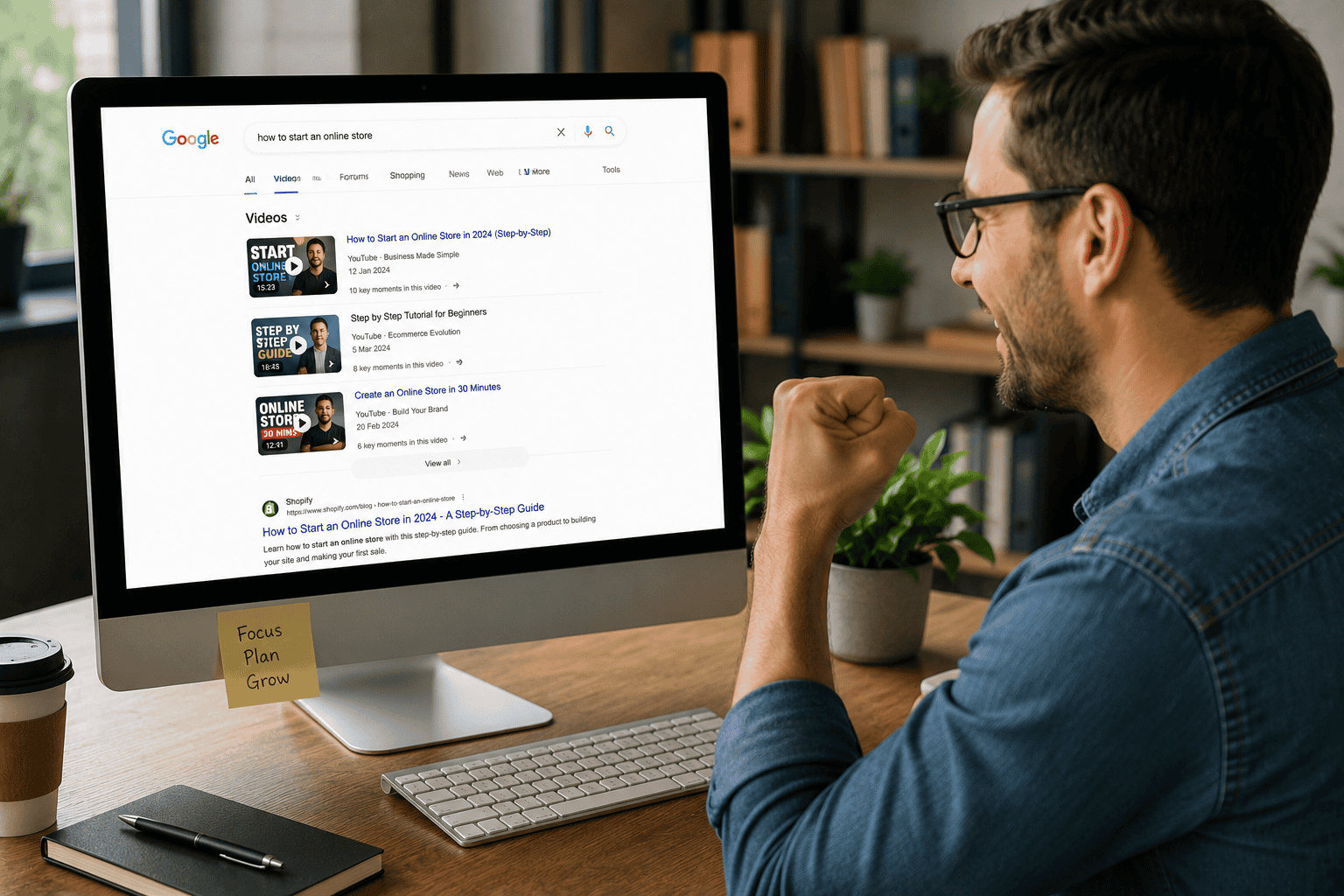
Video SEO in 2025 is your ticket to standing out on Google. By nailing keyword research, crafting compelling titles, adding transcripts, and promoting smartly, you’ll boost your rankings and connect with your audience. Start small—pick one tactic, like optimising a thumbnail, and build from there. Your videos will soon be stealing the show in search results, driving traffic, and winning customers.
Ready to master video SEO? Grab your camera, and let’s make your content shine!